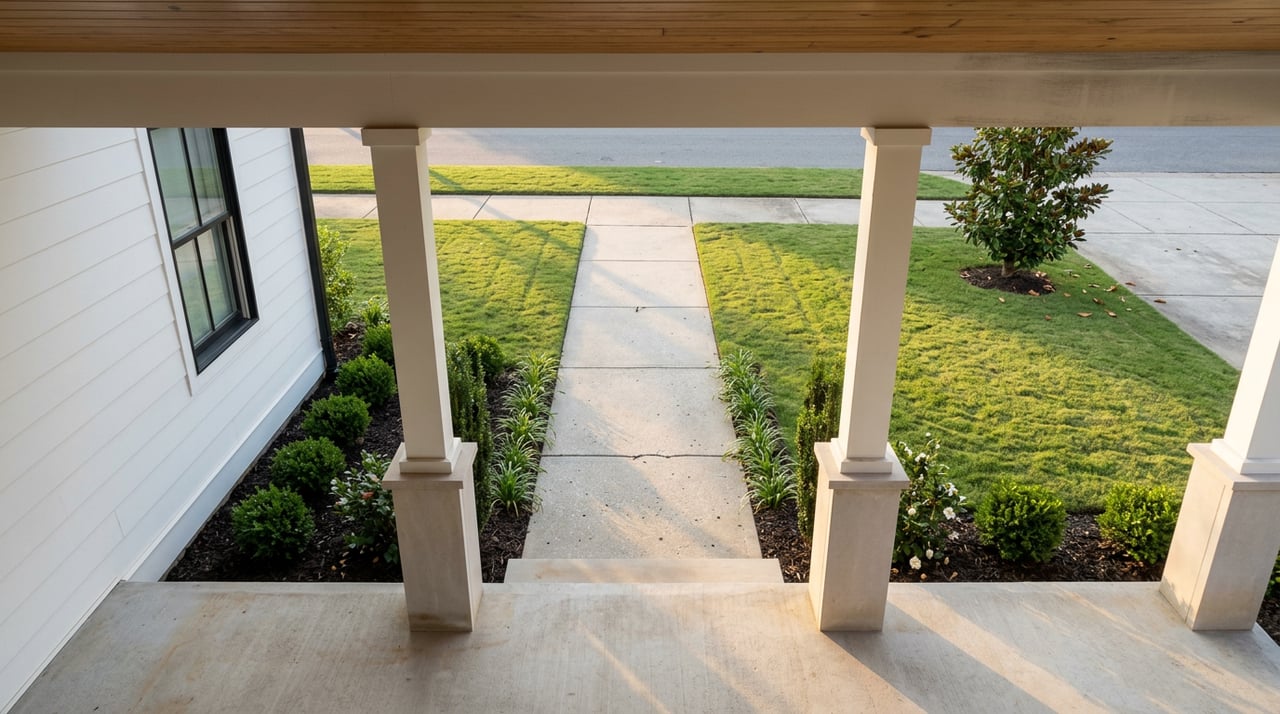
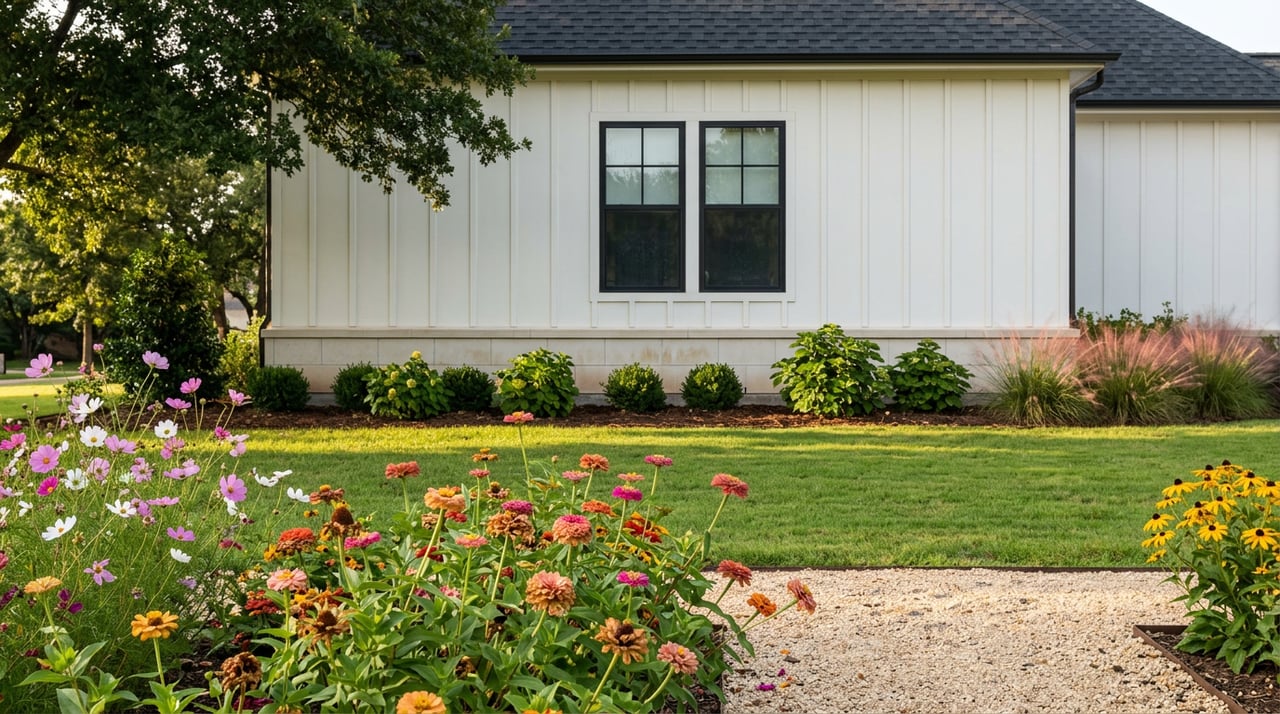
Wish your Belle Terre yard looked great without constant mowing and watering? You are not alone. Many Oxford homeowners want a polished, welcoming look that can handle our hot summers and mild winters with little fuss. This guide gives you a practical plan to use Mississippi-native plants, follow neighborhood rules, and keep upkeep low while boosting curb appeal. Let’s dive in.
Why native plants work here
Native plants are adapted to North Mississippi’s weather and soils, so they typically need less water and fertilizer after they are established. Start by noting sun, shade, drainage, and any compacted areas around your home. Then take a quick soil test to confirm pH and nutrients before you plant. You can submit samples through the MSU Extension soil testing program.
Check HOA and sightlines first
Belle Terre has design standards that may guide front-yard heights, screens, and sightlines. Review your neighborhood documents and the developer’s information on the Belle Terre community page. If you plan taller beds or a meadow-style strip, confirm what is allowed along the road and corners. For right-of-way questions, contact the Lafayette County Building & Planning Department.
Low-upkeep plant picks that thrive
Below are reliable natives for Oxford’s conditions. Group them in simple drifts for a tidy, designer look with fewer weeds.
Small to medium trees
- Southern magnolia (Magnolia grandiflora) for a classic evergreen accent. See MSU’s guidance on options in native trees for Mississippi landscapes.
- River birch (Betula nigra) for wetter spots or variable drainage.
- Red buckeye (Aesculus pavia) as an understory tree with spring color.
- Wax myrtle (Myrica cerifera) for fast, adaptable screening.
Shrubs for structure and color
- American beautyberry (Callicarpa americana) for showy fall berries and easy care.
- Virginia sweetspire (Itea virginica) for fragrant spring blooms and flexible soils. Find more options in MSU’s native shrubs for Mississippi landscapes.
- Native hollies (Ilex spp.) for evergreen screens and wildlife value.
- Dwarf palmetto (Sabal minor) as a low, evergreen accent in part shade.
Perennials and wildflowers
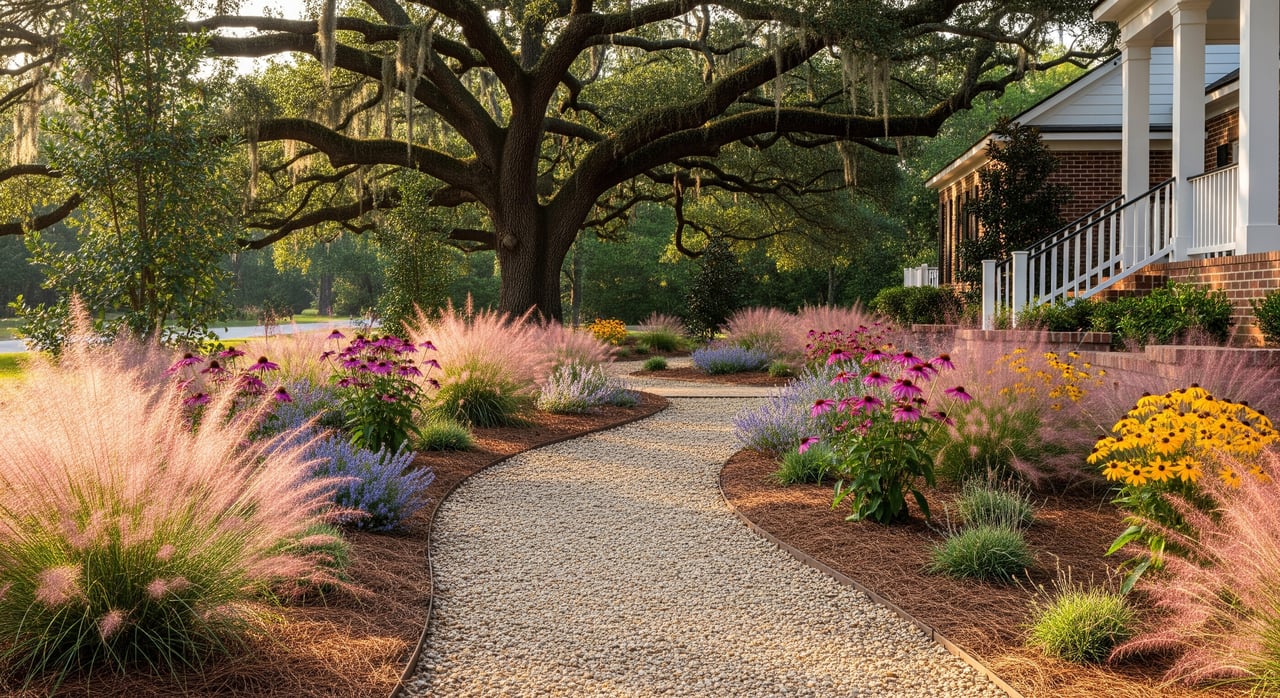
- Eastern purple coneflower (Echinacea purpurea) for long bloom and drought tolerance.
- Coreopsis (Coreopsis lanceolata) for spring and summer color.
- Black-eyed Susan (Rudbeckia hirta) for bright, durable color and fall seed for birds. See MSU’s guide to wildflowers and meadows in Mississippi.
Native grasses and meadow accents
- Pink muhly grass (Muhlenbergia capillaris) for low care and stunning fall plumes. Learn more about site needs for pink muhly from the UT Extension resource on Muhlenbergia capillaris.
- Switchgrass (Panicum virgatum) for texture, erosion control, and low inputs.
Groundcovers and low-mow areas
- Meadow-style mixes with native wildflowers and grasses for low-use corners. Expect one or two high mows per year and seasonal weeding as needed.
- Dwarf palmetto and site-appropriate sedges in part-shade beds.
Vines for arbors and screens
- Coral honeysuckle (Lonicera sempervirens) for a well-behaved, hummingbird-friendly vine.
Design moves that cut maintenance
- Keep it simple. Use 3 to 5 core species and repeat them around the yard for a cohesive look.
- Mass plants. Plant in groups of 3, 5, or more to shade soil, reduce weeds, and simplify care.
- Mulch smart. A 2 to 3 inch layer of organic mulch holds moisture and cuts weeding. Keep mulch a few inches away from trunks and stems.
- Size for maturity. Leave room for each plant’s full width and height to avoid frequent pruning.
Watering and feeding
Plan to water regularly for the first 12 to 18 months while roots establish. After that, most native shrubs and trees tolerate typical dry spells. Only fertilize if a soil test recommends it. Deep, occasional watering is better than frequent light watering for new plantings.
Simple seasonal calendar
- Fall: Prime time to plant many trees and shrubs. Take soil samples, set irrigation for new plants, and refresh mulch.
- Winter: Prune only as needed. Cut ornamental grasses back to about 6 inches before new growth.
- Spring: Monitor for early pests, thin or divide perennials, and fill any gaps with additional natives.
- Summer: Water new plants during dry stretches. Established natives often need little supplemental water.
Watch-outs and plant health
Crape myrtle bark scale is active in Mississippi and can make crape myrtles high maintenance. If you keep or add crape myrtles, use MSU’s guidance on identifying and managing crape myrtle bark scale. Avoid planting known invasive species and choose native alternatives for hedges and screens. If you are unsure about a pest or a declining tree, check with MSU Extension or a certified arborist.
Sourcing native plants locally
Native stock can sell out in spring and fall, so plan ahead. Look for seasonal sales through the Strawberry Plains Audubon Center in Holly Springs. For local guidance and plant clinics, contact the Lafayette County Master Gardeners. Combine local nurseries with native sales and mail-order sources to complete your list.
Bring it all together
With a short plant list, smart layout, and a little attention in year one, your Belle Terre yard can stay beautiful with far less work. Native trees, shrubs, and grasses handle Oxford’s heat while delivering year-round color and wildlife value. Keep beds tidy with mulch, mind your sightlines, and enjoy weekends without a mower.
If you are planning updates for curb appeal before selling, or you want neighborhood-smart advice while you shop for a home in Belle Terre, reach out to Cherie Matthews for local insight and a tailored plan.
FAQs
What makes native plants low upkeep in Belle Terre?
- They are adapted to North Mississippi’s climate and soils, so once established they generally need less water, fertilizer, and pruning than many non-native ornamentals.
How do I know what will grow in my specific yard?
- Check sun and shade patterns, note wet or dry spots, and confirm pH and nutrients with the MSU soil test before you buy plants.
Are meadow-style lawns allowed in Belle Terre front yards?
Which native grasses give the most impact with little care?
- Pink muhly and switchgrass are reliable choices in full sun; pink muhly offers showy fall plumes and switchgrass adds structure and erosion control.
What should I do about crape myrtles if I want low maintenance?
- Inspect new plants carefully and monitor existing ones for crape myrtle bark scale; follow MSU’s steps for identification and control if needed.