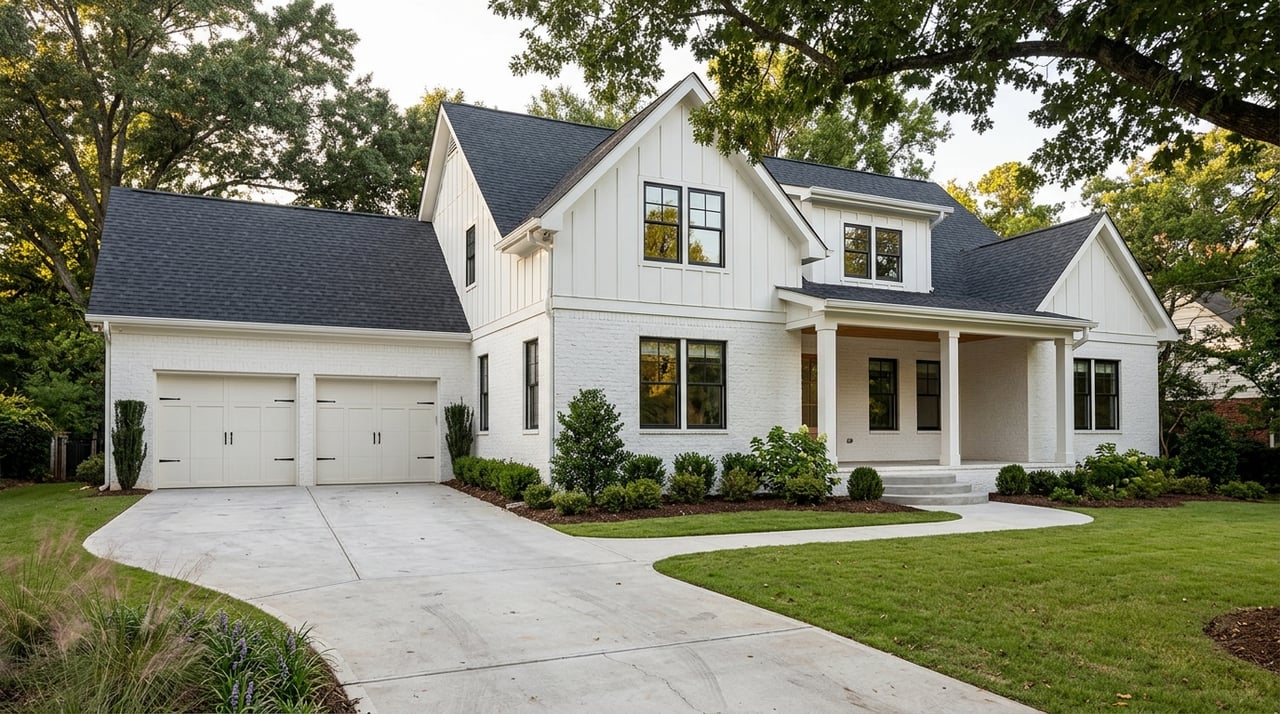
Thinking about a move to Oxford and the 38655 area? You are not alone. The University of Mississippi and a lively downtown make Oxford a magnetic place to live, work, and invest. If you are comparing neighborhoods, commute times, and real housing costs, a little local context goes a long way. This guide walks you through what to verify, where to focus your research, and how to choose the right fit for your lifestyle and budget. Let’s dive in.
Why Oxford draws newcomers
Oxford’s heartbeat is the University of Mississippi. The academic calendar and sports schedule shape rental demand, traffic patterns, and even weekend energy on the Square. You also have steady employment across healthcare, K–12 schools, professional services, and the hospitality sector tied to downtown and tourism.
Because the university influences so much, you should expect seasonal shifts. Move-in weeks, football weekends, and festivals bring more visitors, tighter short-term lodging, and longer lines. These patterns are not a problem when you plan ahead. They can even be a benefit if you value a vibrant events calendar.
Local rules matter. Inside the City of Oxford, zoning, permits, and historic district standards can affect renovations and additions. In the county, septic and well permits and road access can be the deciding factor on rural or lake-area parcels. Always verify the latest requirements with city and county planning departments before you assume what is possible on a lot.
Cost of living and housing: what to verify
Oxford offers a wide range of home types, from historic in-town cottages to newer subdivisions, golf-course communities, and large rural acreage. That mix creates a spread in prices. Smaller historic homes near the Square may carry a higher price per square foot, while larger suburban or acreage properties may offer more space and land value.
Before you set a budget, gather the basics for your short list:
- Median sale price and median rent for 38655 and Lafayette County. Compare to state and national trends using recent MLS data and ACS 5-year estimates.
- Inventory and days on market to gauge competition and timing.
- Price per square foot by neighborhood and typical lot sizes so you can compare apples to apples.
- Property taxes, millage, and any exemptions through the county and city tax offices.
- Homeowners insurance norms for your property type. Ask about wind and hail coverage, and whether flood insurance is needed based on location.
- Utilities and services. Check natural gas availability, average electric rates, water and sewer versus well and septic, garbage pickup, and broadband providers.
- HOA dues, covenants, and any history of special assessments for planned communities.
You do not need exact numbers today, but you should know where to get them. Recent MLS reports, the Lafayette County Tax Assessor, City of Oxford Finance, local utility providers, and the Mississippi Insurance Department are your best sources for current figures.
Commutes and transportation
Your commute depends on where you land. If you live inside city limits or close-in neighborhoods, you can expect shorter drives to campus, healthcare employers, and the Square. If you choose acreage or lake-adjacent property, plan for a longer drive in exchange for privacy and land.
Traffic is event-driven. On home-game weekends and major university events, congestion increases around campus and downtown, and parking gets tight. Many locals adjust routes or travel times on those days. Oxford’s public transit options are limited, so most residents drive. Downtown and historic areas have the highest walkability, while suburban neighborhoods are more car dependent.
To set realistic expectations, review commute times with ACS 5-year estimates and confirm any road projects or chokepoints with city or county planning. If walkability is important to you, verify sidewalks, crosswalks, and bike lanes near any home you tour.
Neighborhood types in 38655
Use this quick framework to compare options by lifestyle, cost, and due diligence.
In-town and historic near the Square
These areas offer walkable streets, older homes, and quick access to restaurants, shops, museums, and campus. You get the convenience of short commutes and a lively atmosphere.
- What you may like: walkability, character, and proximity to events.
- Tradeoffs: smaller lots, higher price per square foot, on-street parking rules, and more noise on event days.
- Due diligence: confirm any historic district guidelines, parking permits, floodplain maps for low-lying areas, and the condition of older systems such as roof, electrical, and plumbing.
Golf-course and planned amenity communities
Planned communities often feature newer homes, landscaped streets, and amenities such as golf, pools, trails, and clubhouses. HOAs set covenants and standards.
- What you may like: neighborhood amenities and consistent aesthetics.
- Tradeoffs: monthly HOA dues, rules on rentals, occasional special assessments, and sometimes a longer drive to the Square.
- Due diligence: review HOA covenants, meeting minutes, reserve funds, and any restrictions on short-term rentals. Confirm dues and fee history.
Lakefront and waterfront lifestyle
If you value boating, fishing, and views, lake-area homes in driving distance of Oxford can be appealing. Lots are often larger, and the setting is more private.
- What you may like: recreation, scenery, and privacy.
- Tradeoffs: longer commutes to town services, seasonal traffic near lake access, potential flood risk, and responsibility for septic and well systems.
- Due diligence: check the FEMA Flood Map Service Center, shoreline setback rules, any riparian rights, and septic system capacity and permits.
Acreage and rural properties
Rural parcels outside city limits appeal to buyers who want space for gardening, horses, or a workshop. You trade proximity for privacy and land.
- What you may like: large lots, flexibility for secondary structures, and a quiet setting.
- Tradeoffs: longer drives to schools and services, varied broadband options, and more land maintenance.
- Due diligence: verify surveys and boundaries, road access and maintenance agreements, soil and timber if you plan agricultural use, septic permits, well yield testing, and county building rules.
Inside city limits vs county
Choosing inside city limits often means city services, closer commutes, and defined zoning rules. County addresses can offer lower density, larger lots, and more flexibility on land use. Each path has costs to consider.
- Inside the city: confirm zoning, permit processes, parking rules, and any historic district requirements.
- In the county: confirm septic and well permits, private road maintenance, and any conservation easements that limit use.
- For both: verify current tax rates and exemptions with local tax offices before you finalize a budget.
Game day and calendar planning
Oxford runs on a university calendar. That is part of the charm and it is also a planning tool. Use these tips to reduce stress and enjoy the energy.
- Check major campus event dates before you book movers or schedule renovations.
- Build extra travel time on home-game weekends, especially near the Square and campus.
- If you plan to rent a property part-time, align lease dates with semester cycles.
- For in-town living, ask about neighborhood parking rules and permit requirements.
- Consider noise and foot traffic if your home is on a popular route to the Square.
Due diligence checklist for your short list
Use this quick checklist once you identify a few homes or lots.
- Get recent MLS comps and a 12 to 24 month trend snapshot for your target neighborhood.
- Confirm flood zone and elevation for each property using the FEMA Flood Map Service Center. If close to a floodplain, request an elevation certificate and insurance quotes.
- For rural or lake-area properties: order a well test, septic inspection or percolation test, and a boundary survey.
- Schedule a termite inspection and ask about treatment history. Termite coverage is common in Mississippi.
- Contact local utility providers to confirm service availability, average monthly costs, and broadband options.
- Review HOA covenants, financials, and meeting minutes for planned communities.
- Verify city or county permitting requirements for any planned renovations, outbuildings, or additions.
Local resources and next steps
You can move from browsing to confident decisions with a few focused steps:
- Pull current MLS market reports for Oxford 38655 and Lafayette County.
- Compare commute expectations using ACS 5-year estimates.
- Confirm taxes and exemptions with county and city tax offices.
- Map flood risk with the FEMA Flood Map Service Center.
- Line up inspectors for general, termite, septic, and well as needed.
If you want local guidance tailored to your goals, our team is here to help. We combine deep neighborhood knowledge with the marketing and due diligence support you need, whether you are buying in-town, eyeing a planned community, or evaluating acreage. Talk with a local expert at Cherie Matthews to start your Oxford plan.
FAQs
How do Ole Miss events affect daily life in Oxford?
- Expect heavier traffic and tighter parking near the Square and campus on game days and major events. Plan errands and travel routes with a time buffer during those weekends.
What should I budget beyond mortgage and down payment in 38655?
- Factor in property taxes and any exemptions, homeowners and flood insurance if required, HOA dues if applicable, utilities, and routine maintenance such as termite coverage.
Are commutes shorter inside Oxford city limits?
- Generally yes. Homes closer to campus and employment centers reduce drive times, while rural and lake-area properties add time. Verify with ACS data and your typical routes.
What inspections are essential for rural or lake-area homes near Oxford?
- Prioritize a general home inspection, termite inspection, septic evaluation, and well test. Confirm flood zone status and review any shoreline or setback rules.
How do HOAs in planned communities impact ownership?
- HOAs set covenants and collect dues for amenities and maintenance. Review rules on rentals, design standards, dues history, and reserve funds before you commit.
How can I compare neighborhood costs in Oxford?
- Use recent MLS comps for price per square foot, confirm taxes and insurance with local offices and carriers, and ask for utility averages. This helps you compare total carrying costs across areas.