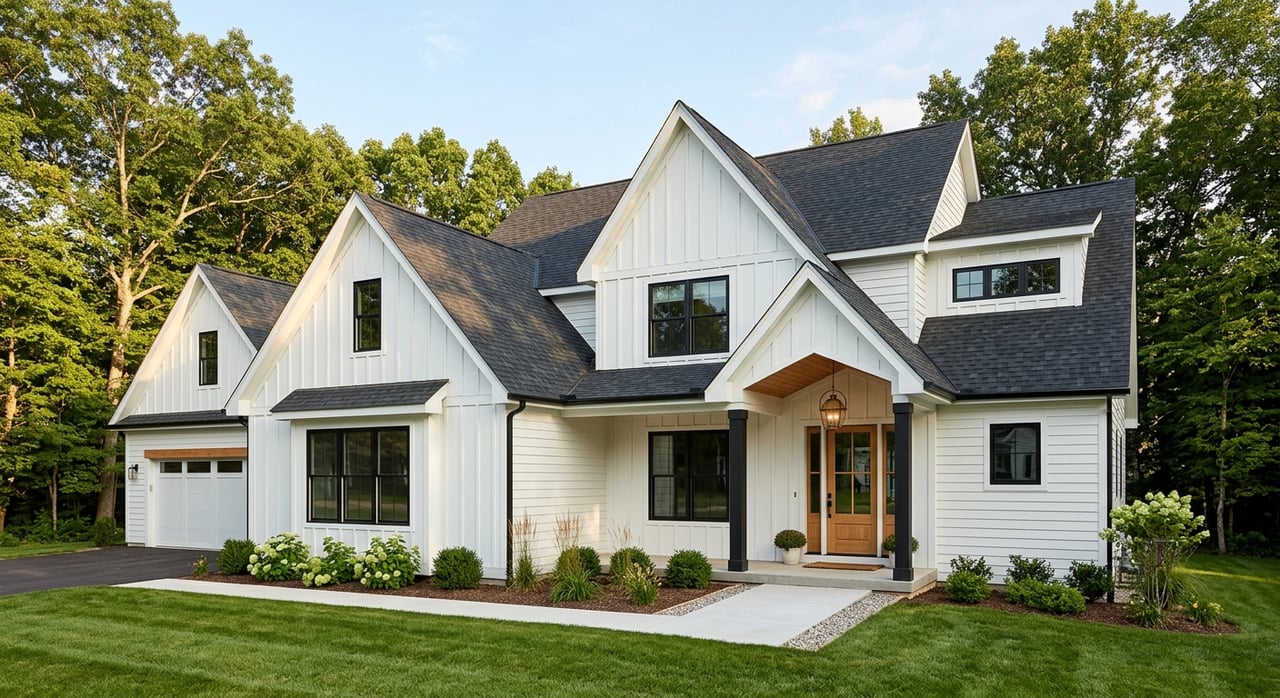
Oxmoor Or In‑Town Oxford? Comparing Newer Home Options
April 23, 2026
April 23, 2026
If you are trying to decide between Oxmoor and an in-town Oxford neighborhood, you are really choosing between two different ways of living in 38655. One path often gives you a newer layout, newer systems, and a quick-drive routine. The other often gives you mature surroundings, historic character, and closer access to the Square or campus. This guide will help you compare those trade-offs clearly so you can focus on what fits your daily life best. Let’s dive in.
In broad terms, Oxmoor represents the newer-home side of the Oxford market, while in-town Oxford often points you toward older, character-rich neighborhoods closer to the city core. That does not automatically make one better than the other. It means your decision should come down to which features matter most to you.
For many buyers, the main comparison is simple: do you want a home that leans more modern in layout and upkeep, or do you want a setting that leans more established and walkable? In Oxford, that question matters even more because the city has a strong planning focus on protecting historic areas and older neighborhood character, as outlined in its design guidelines and Vision 2037 planning framework.
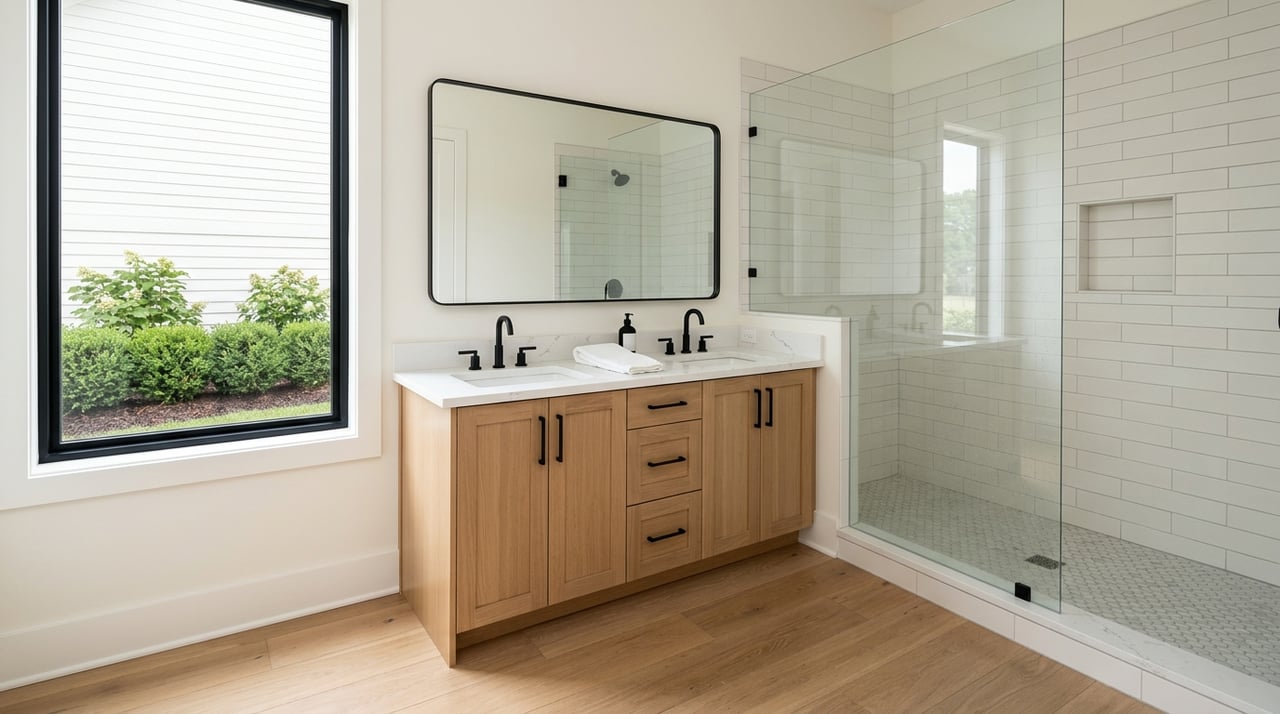
Oxmoor is commonly viewed as a newer-construction option in Oxford. The neighborhood dates to 2007 and is often associated with homes that support modern living patterns, including more current finishes, newer systems, and layouts that feel more in step with what many buyers want today.
That matters because newer homes are not just about age. According to the U.S. Department of Energy, high-performing homes tend to stand out because of better insulation, tighter construction, stronger building systems, and thoughtful design that can reduce ownership costs over time. You can learn more from the DOE’s overview of high-performing homes.
One reason buyers lean toward newer homes is floor plan design. The National Association of Home Builders reports that buyers continue to favor features like open kitchen-family layouts, a laundry room, a walk-in pantry, more than two full baths, and practical main-level spaces. Their 2024 housing research also notes that new homes are more likely than existing homes to include these modern layout features, as shown in its report on top design trends for 2024.
If you want a home that feels move-in ready from a layout standpoint, this can be a major advantage. You may find it easier to get the room flow and storage you want without planning immediate renovations.
If monthly operating costs matter to you, newer construction may deserve extra attention. The DOE advises buyers to look beyond the build date and evaluate the full performance picture, including windows, insulation, and third-party testing. Its guidance on buying a new energy-efficient home explains why those details matter.
Some newer homes may also meet higher performance standards. The DOE notes that ENERGY STAR certified homes are independently inspected, and ENERGY STAR NextGen certified homes can be up to 20% more efficient than typical code-built homes, based on the DOE’s summary of high-performing homes. In practical terms, a newer home can offer comfort and efficiency benefits, but you still want to confirm how the home was actually built.
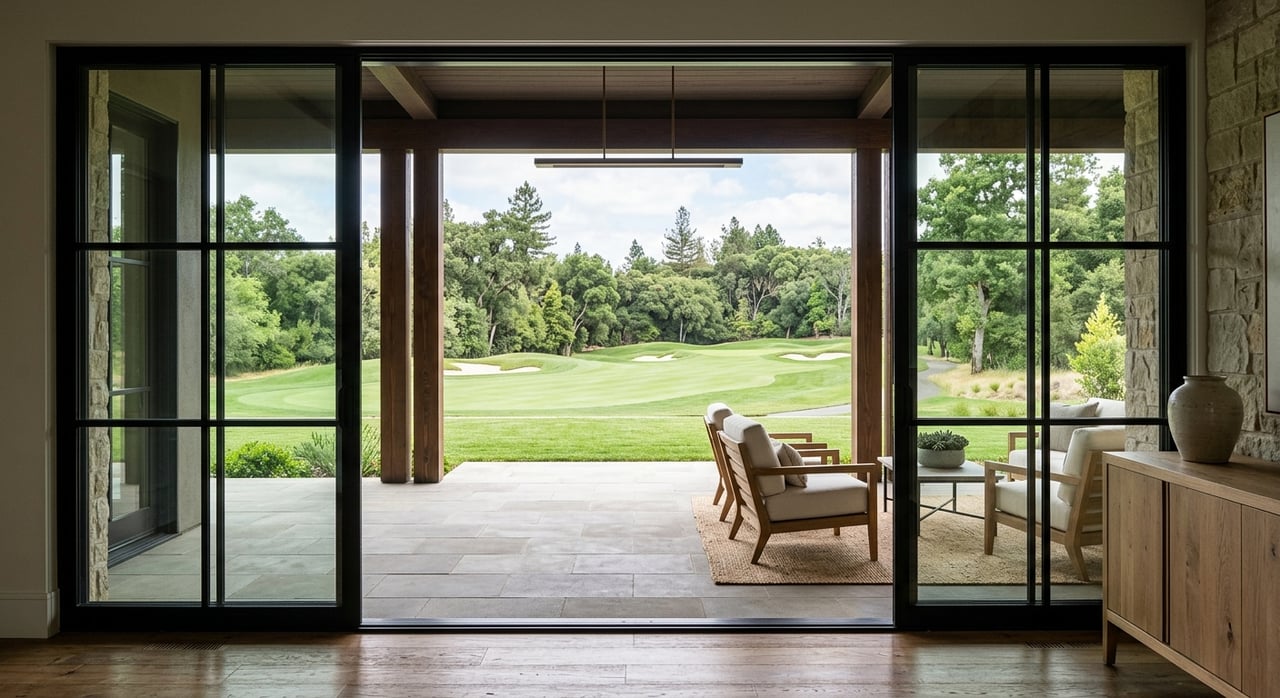
In-town Oxford usually appeals to buyers who want to feel closer to the city’s older fabric. This side of the market often includes neighborhoods with deeper roots, mature surroundings, and a stronger sense of historic continuity.
That preference aligns with how Oxford itself describes the city. Oxford’s planning documents say historic neighborhoods are a major part of the city’s identity and quality of life, and the land-development framework supports compatibility and preservation in older areas near historic districts. You can see that emphasis in the city’s Vision 2037 revision.
If you enjoy established streetscapes, older architecture, or neighborhoods shaped over decades instead of years, in-town Oxford may be the better fit. In many cases, the appeal is less about square footage and more about atmosphere, location, and the feel of an already-settled area.
Oxford formally recognizes three historic preservation districts: Courthouse Square, North Lamar, and South Lamar. The city also notes that neighborhood conservation overlays are generally found in older neighborhoods near historic districts, according to its 2025 design guidelines. That tells you something important: older in-town areas are not accidental leftovers in the market. They are a valued and protected part of Oxford’s built environment.
For some buyers, being in town is really about convenience. You may want easier access to the Square, Ole Miss, or central Oxford destinations as part of your regular routine. If your lifestyle includes campus activity, university events, dining, or local shopping, being closer to the core can be a meaningful daily benefit.
That said, convenience looks different for every household. A shorter drive to the Square does not automatically mean every other trip will be faster or easier, especially when you factor in school routines, parking, or event traffic.
For many buyers in 38655, school access is part of the conversation. Oxford School District serves PreK through 12th grade across seven schools and more than 4,800 students, according to the district’s about our schools page. The Mississippi Department of Education’s 2025 accountability results show Oxford School District earned an A rating with 749 points and a 90.1% graduation rate.
The key point is that newer versus older is not the same thing as school convenience. What matters more is your attendance area, your transportation routine, and how your household handles the day-to-day schedule.
Oxford School District states that transportation serves all students within district boundaries, with an average ride time of about 50 minutes each way, based on the district’s transportation information. That means a home that feels centrally located does not automatically guarantee the shortest school commute.
If school logistics matter to you, it helps to think in terms of your real weekday pattern. Are you prioritizing walkability to certain destinations, bus availability, or a smoother drive for drop-off and pickup? The right answer may look different than you first expect.
When you compare Oxmoor with in-town Oxford, the most useful question is not which area is better. It is which trade-off best matches your priorities.
Here is a simple way to frame it:
| Priority | Oxmoor-style newer option | In-town Oxford option |
|---|---|---|
| Home systems | Often newer systems and materials | May include older homes with varying levels of updates |
| Layout | More likely to offer open plans and modern room flow | May offer more traditional layouts |
| Efficiency potential | Often stronger potential, depending on construction quality | Can vary widely based on updates and condition |
| Neighborhood feel | More recent development pattern | More established, character-rich setting |
| Access style | Quick-drive convenience | Often stronger appeal for close-in living |
| Buyer mindset | Lower-maintenance focus | Location and character focus |
This table is a starting point, not a rule. Some older homes have extensive updates, and not every newer home performs the same way. The best comparison comes from looking closely at the individual property.
If you are torn between the two, try narrowing your decision around your top three lifestyle goals. That usually makes the answer clearer.
No matter which direction you lean, it helps to evaluate the actual house with the same discipline. Age alone does not tell you enough.
The DOE recommends paying close attention to:
Those factors often tell you more about comfort and long-term cost than the year a home was built. You can review the DOE’s home-buying guidance in its article on saving energy bills when buying a new home.
The honest answer is that both can be excellent choices. Oxmoor tends to suit buyers who want newer construction benefits and a more modern everyday setup. In-town Oxford tends to suit buyers who value mature surroundings, central location, and historic character.
In a market like Oxford, that balance is especially meaningful because the city both protects its older neighborhoods and continues to support newer development patterns across the broader area. Your best move is to compare the lifestyle, efficiency potential, and day-to-day logistics of each option, then match them to how you actually want to live.
If you want help comparing specific homes or neighborhoods in Oxford, Cherie Matthews can help you weigh location, layout, and long-term fit with clear local insight.
Stay up to date on the latest real estate trends.
We pride ourselves in providing personalized solutions that bring our clients closer to their dream properties and enhance their long-term wealth. Contact us today!